
Hermetic Feedthrough: Differences Between Glass-to-Metal and Ceramic Types
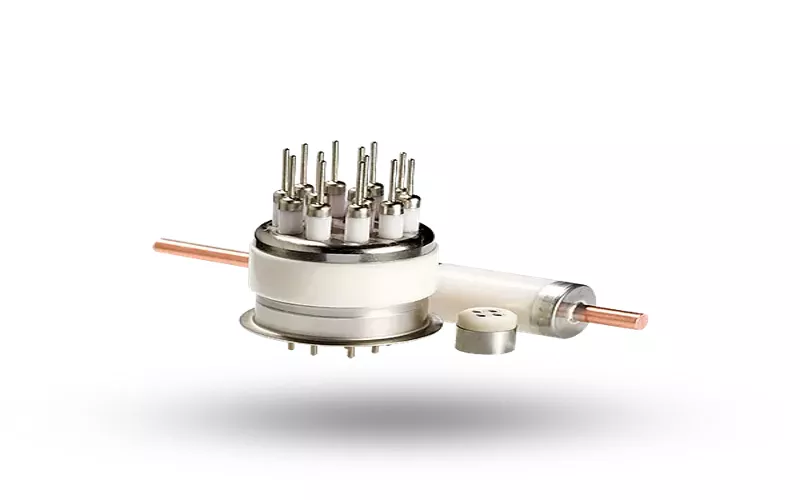
Are you searching for the perfect hermetic feedthrough for your industrial application? Look no further! In this article, we will explore the main differences between glass-to-metal and ceramic types of hermetic feedthroughs, helping you make an informed decision for your specific needs.
What is a Hermetic Feedthrough?
A hermetic feedthrough is a critical component in many industrial applications, especially in the fields of electronics, aerospace, and medical devices. It is used to pass electrical signals, fluids, or gases from one sealed environment to another without compromising the integrity of the seal.
Glass-to-Metal Hermetic Feedthroughs
Glass-to-metal hermetic feedthroughs are widely used in various industries due to their excellent insulation properties and high electrical conductivity. They consist of a glass insulator surrounded by a metal conductor, providing a reliable and durable seal that can withstand extreme temperatures and pressures.
One of the key advantages of glass-to-metal hermetic feedthroughs is their ability to maintain a tight seal even in harsh environments. This makes them ideal for applications where reliability and performance are of utmost importance.
Another benefit of glass-to-metal hermetic feedthroughs is their versatility. They can be customized to meet specific requirements, such as varying sizes, shapes, and electrical specifications, making them suitable for a wide range of applications.
Ceramic Hermetic Feedthroughs
On the other hand, ceramic hermetic feedthroughs offer unique advantages that make them a preferred choice for certain applications. Ceramic feedthroughs are known for their excellent thermal conductivity and high mechanical strength, making them suitable for applications that require resistance to extreme temperatures and mechanical stress.
Ceramic hermetic feedthroughs are also highly resistant to corrosion, making them ideal for applications where exposure to harsh chemicals or solvents is a concern. Additionally, ceramic feedthroughs have low outgassing properties, making them suitable for vacuum applications.
Differences Between Glass-to-Metal and Ceramic Hermetic Feedthroughs
So, what are the main differences between glass-to-metal and ceramic hermetic feedthroughs? Let’s break it down:
- Temperature Resistance:
- Glass-to-metal feedthroughs have a higher temperature resistance compared to ceramic feedthroughs, making them suitable for applications that involve extreme temperatures.
- Mechanical Strength:
- Ceramic feedthroughs have higher mechanical strength than glass-to-metal feedthroughs, making them ideal for applications that require resistance to mechanical stress.
- Corrosion Resistance:
- Ceramic feedthroughs are more resistant to corrosion compared to glass-to-metal feedthroughs, making them suitable for applications exposed to harsh chemicals.
- Customization Options:
- Glass-to-metal feedthroughs offer more customization options compared to ceramic feedthroughs, allowing for greater flexibility in meeting specific requirements.
- Glass-to-metal feedthroughs offer more customization options compared to ceramic feedthroughs, allowing for greater flexibility in meeting specific requirements.
In conclusion, both glass-to-metal and ceramic hermetic feedthroughs have their unique advantages and are suitable for different applications. It is essential to consider your specific needs and requirements when choosing between the two types to ensure optimal performance and reliability in your industrial application.