
The Future of Scenic Fabrication: Trends to Watch
Introduction:
Scenic fabrication has long been essential in theater, film, television, events, and theme parks, transforming creative ideas into immersive physical environments. Today, technological advancements and evolving audience expectations are reshaping the industry. From digital tools to sustainable materials, scenic fabrication is entering a new era that blends creativity, precision, and innovation.
1. Advanced Digital Design Tools
3D Modeling and Simulation
Designers are increasingly using advanced 3D modeling software to plan sets in minute detail. Simulation tools allow teams to visualize set dimensions, test lighting, and anticipate structural issues before fabrication begins, reducing errors and saving time.
Virtual Reality (VR) Integration
VR enables designers and directors to walk through a digital version of the set before production. This immersive visualization improves collaboration, ensures scale accuracy, and helps stakeholders experience the design before construction.
2. 3D Printing and Additive Manufacturing
Rapid Prototyping
3D printing allows for fast prototyping of props, ornaments, and intricate details, enabling designers to experiment with complex shapes that traditional methods may not allow.
Custom and Lightweight Elements
Additive manufacturing produces lightweight, durable, and custom-designed components, ideal for movable set pieces, intricate decorations, and interactive elements.
3. Sustainable and Eco-Friendly Materials
Recycled and Biodegradable Materials
Environmental responsibility is becoming a priority. Scenic fabrication increasingly uses recycled plastics, reclaimed wood, and biodegradable composites to reduce environmental impact.
Energy-Efficient Production
Sustainable fabrication techniques, like optimized CNC routing and low-energy adhesives, minimize waste and energy consumption, making production greener and more cost-effective.
4. Automation and Robotics
Mechanized Assembly and Movement
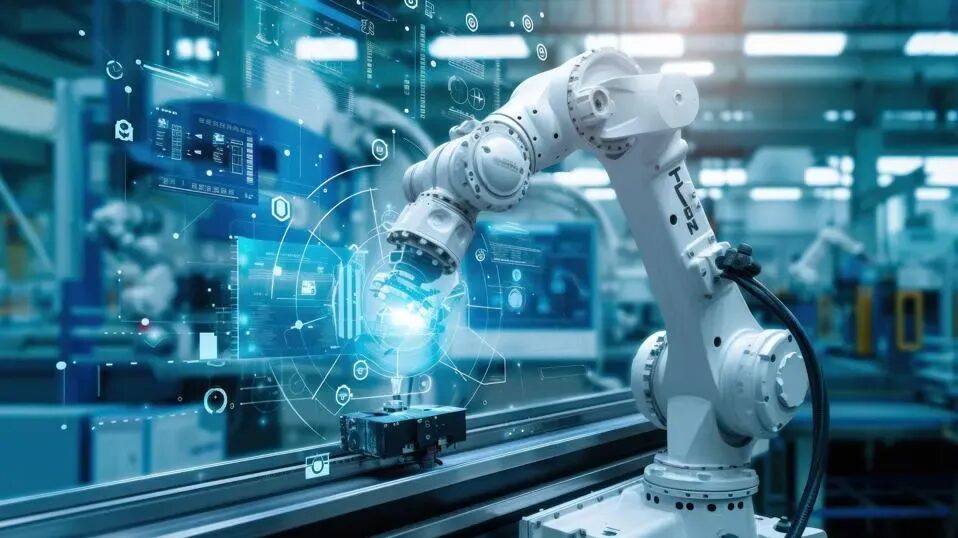
Robotics are assisting in lifting, assembling, and positioning large set elements, reducing manual labor and improving safety. Automated systems also allow for moving or transforming scenery during performances or events.
Integration with Special Effects
Automation enables synchronized moving props, animatronics, and lighting effects, creating dynamic, interactive experiences that were previously difficult to achieve manually.
5. Augmented Reality (AR) and Interactive Experiences
AR for On-Site Visualization
AR technology overlays digital designs onto physical spaces, helping fabricators align pieces accurately and anticipate potential challenges during installation.
Interactive Set Elements
Future scenic fabrication will increasingly integrate interactive technology, allowing audiences to engage directly with sets in immersive theater, theme parks, and live events.
6. Lightweight, High-Performance Materials
Composite Materials
Advanced composites, carbon fiber, and reinforced polymers allow for strong yet lightweight set pieces. These materials support large-scale constructions and moving elements without compromising safety or durability.
Smart Materials
Emerging materials with temperature, light, or motion-sensitive properties can add dynamic effects to sets, offering new levels of immersion and creativity.
7. Data-Driven Fabrication and Collaboration
Integrated Workflow Tools
Digital project management and collaborative design platforms allow multiple teams to work in real-time, streamlining the fabrication process and reducing miscommunication.
Predictive Analytics
Data analytics can help anticipate material performance, structural stress points, and maintenance needs, ensuring sets are safer, more reliable, and longer-lasting.
Conclusion:
The future of scenic fabrication lies at the intersection of technology, sustainability, and creativity. Designers are leveraging 3D modeling, VR, 3D printing, robotics, AR, and innovative materials to create immersive, interactive, and environmentally responsible sets. As the industry evolves, scenic fabrication will continue to push the boundaries of storytelling, offering audiences experiences that are more engaging, dynamic, and unforgettable than ever before.